Few industries have to adapt as constantly to changing conditions as Destination Management Companies (DMCs). Those who want to remain relevant must not only be aware of trends and developments but actively respond to them. As a German DMC based in Amsterdam, we experience these changes every day and continuously adapt our offerings.
In this article, we present five current trends in the DMC sector and how we address them.
1. The importance of sustainability
Sustainability is no longer a “nice-to-have,” but a key criteria in the planning of events and incentive travel. Companies that fail to consider their environmental footprint can quickly be excluded from the selection process and also miss the opportunity to actively contribute to environmental protection.
An experienced DMC does not treat sustainability as an additional service, but as an integral part of their concepts. Local partnerships, short travel distances, and venues with appropriate standards are not exceptions but the norm. Few cities are better suited for this than Amsterdam, which, as part of its Circular Economy Strategy, aims to become a zero-emission ecosystem by 2050.
Activities such as sustainable team-building or workshops and hackathons with a green focus fit naturally into this approach.
2. Personalization becomes the standard
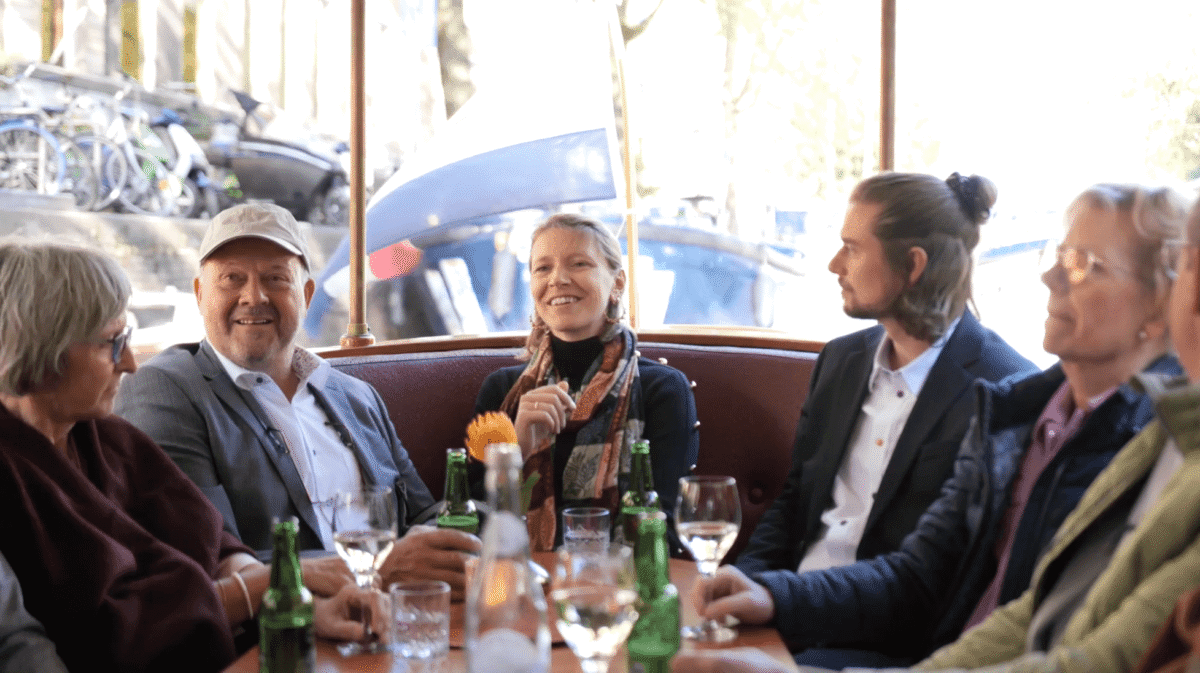
Standardized programs are becoming increasingly less important. Instead, companies want tailored experiences that fit their own corporate culture and participants.
This mainly means one thing: the first step is to gain a deep understanding of the group. Before even requesting a location, there needs to be clarity about what the company really wants to achieve. What dynamics exist within the team? What is the goal of the trip? What should participants take away from it?
Ultimately, it is the details that decide if a program really works for the group. A broad network of local partners provides the flexibility to develop individual programs instead of relying on standard formats.
In the end, this creates a program that not only looks good but truly fits the group.

3. The most unforgettable experiences are those that touch the heart
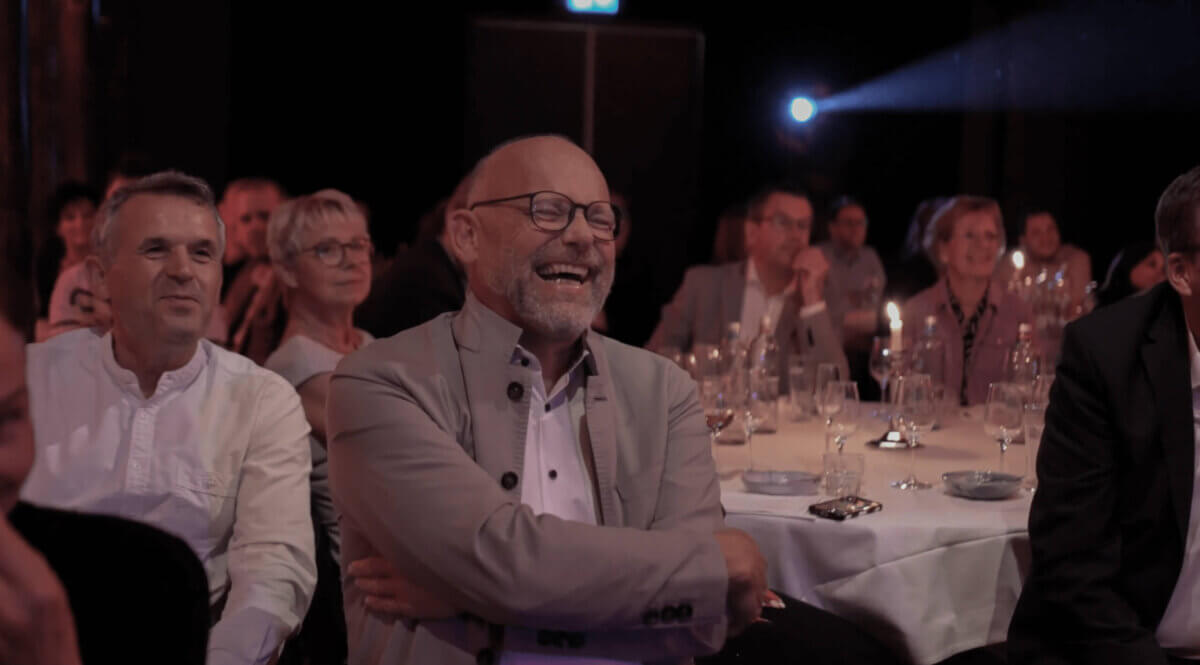
A successful event today is no longer measured only by organization and execution, but above all by the emotions it evokes. Memories are created through special moments, genuine team spirit and meaningful conversations.
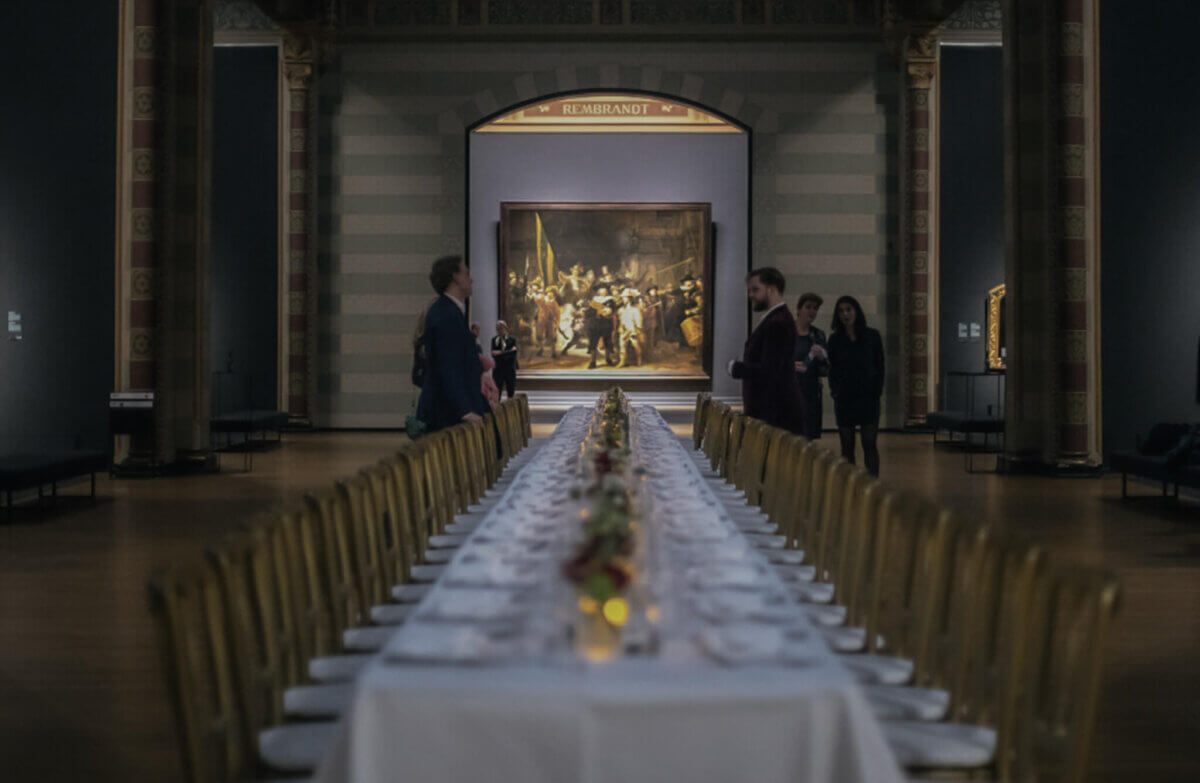
Good event planning therefore needs to use storytelling and experience quality. This can be a dinner at an extraordinary location, a surprising activity within the program or a moment specifically designed to create connection. The goal is to create experiences that not only function well but truly move people and remain in their memory for a long time.
The role of the people involved, such as staff, local guides and event planners is also essential. Unforgettable events are created by the right people and they are often the ones participants remember the most afterwards.
4. Digitalization increases efficiency and transparency
Companies today no longer want to simply see destinations, they want to truly experience them. Classic incentive travel programs are increasingly being replaced by unique activities and authentic encounters.
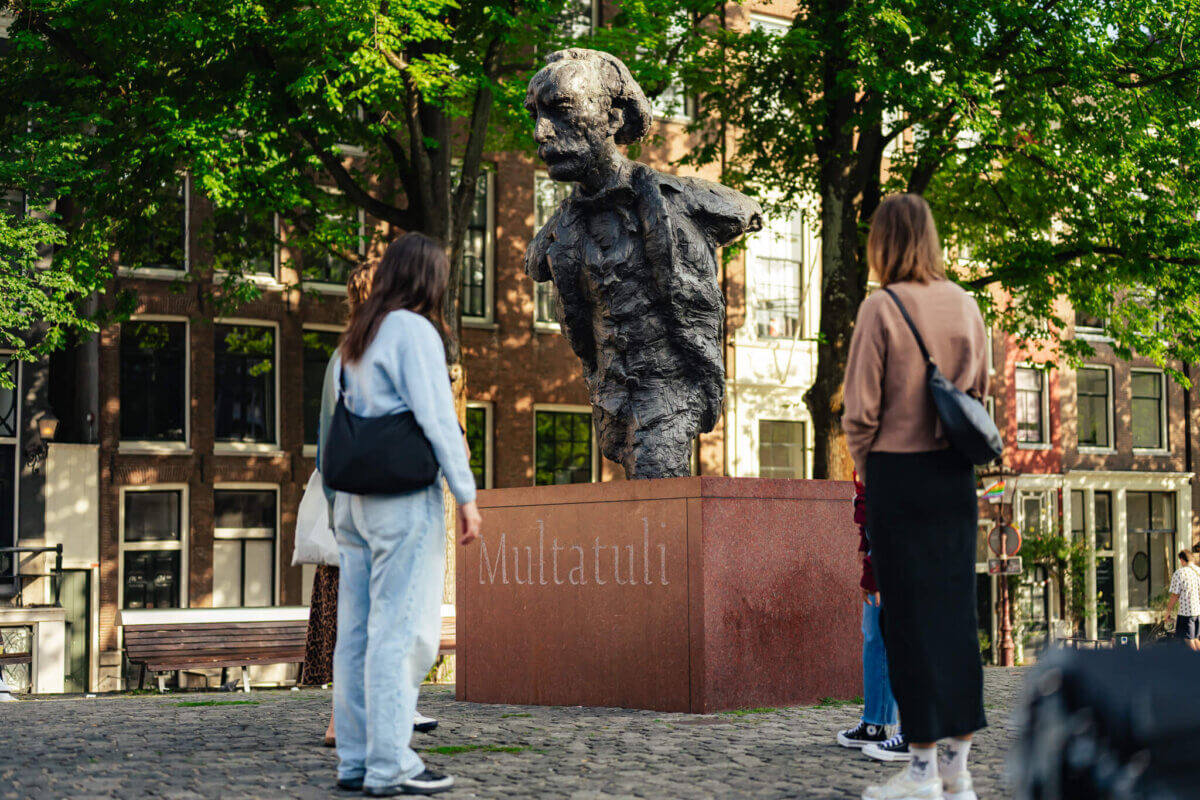
This is where the key advantage of a local DMC comes in: they don’t know the destination from a guidebook, but from everyday life. Which locations are truly special? Which hidden places are there to discover? Which people make an evening unforgettable? This local knowledge cannot be researched. It comes from real presence on site.
The requirements for DMCs have changed significantly. Today, what matters are not only the organizational skills, but also strategic thinking, creativity and an understanding of the specific needs of each group.
The demands placed on DMCs have changed significantly. Today, it is no longer just organisational skills that matter, but also strategic thinking, creativity and an understanding of the specific needs of each group.
For us at Canals and Windmills, this means continuously adapting with a focus on sustainable, tailor-made and experience-driven concepts. Because ultimately, it is precisely these well-thought-out and authentic experiences that stick in the memory and make the difference.
What this looks like in practice is demonstrated by our client projects: from two-day incentive trips for 130 participants to customized team-building formats in the heart of Amsterdam.